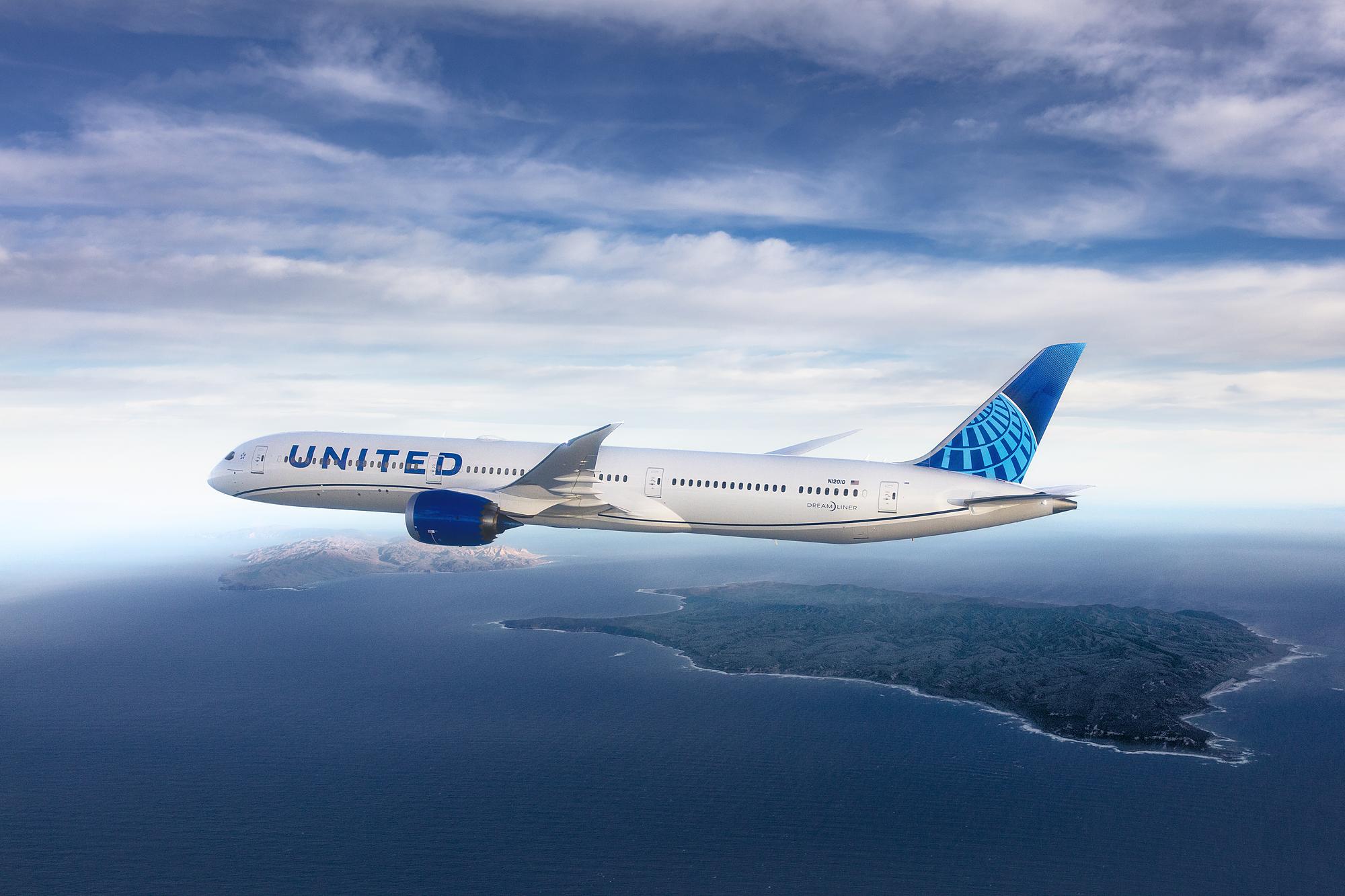
Nigerian Airlines has announced nationwide suspension of flights effective 9th may 2022 according to a statement issued by the Airline Operators of Nigeria (AON).
The statement co-signed by the President of the association Dr. Alhaji Abdulmunaf Yunusa Sarina, and the bosses of the eight member careers, namely, United Nigerian Airlines, Ibom Air, Aero Contractors, Azman Air, Overland Airways, Air Peace, Arik Air, and Dana Air.
The decision is the consequence of the “constant and astronomical increase” in the price of Kerosene, during the last four months. Indeed, over time, the price per liter has currently gone from 190 naira to 700 naira. The hikes have been triggered principally by Russia’s invasion of Ukraine at the end of February.
Because of this increase, aviation fuel (jetA1) rose from 40% to 95% of the operating costs of Nigerian flags. “No fashionable airline can absorb this kind of sudden shock from such an astronomical rise over a short period of time” AON said.AON, which represents Nigeria’s eight domestic carriers, said the airlines had had to subsidize services over the last four months. Despite being Africa’s largest oil producer, Nigeria imports almost all its jet fuel.AON said that it had told the government, MPs, the state-owned oil company and the association representing fuel sellers that something needed to be done to bring costs down.
The hikes could not be fully passed on to passengers as they were “already experiencing a lot of difficulties”, it said. Faced with this, the careers first appealed to the federal Government, The National Assembly, The Nigerian National Petroleum Corporation (NNPC) and distributors of petroleum products, for a reduction of the JetA1. This has increased the average cost of a seat, for a one hour flight, to N120, 000. “The latter cannot be fully passed on to passengers, who are already experiencing many difficulties as regretted the operators, hence the decision to simply suspend travel as a solution awaits from the Nigerian Government and other stake holders for intervention.