Hydrogen Planes: The Future of Aviation and the Industry Leaders Driving It
Hydrogen planes are aircraft powered by hydrogen fuel cells or liquid hydrogen, offering a sustainable and environmentally friendly alternative to traditional fossil fuels. Here’s an overview;
How they work:
Hydrogen planes use hydrogen fuel cells to generate electricity, which powers electric motors. The only byproduct is water vapor and heat, making them an attractive option for reducing greenhouse gas emissions.
Benefits:
Hydrogen planes have the potential to significantly reduce carbon emissions, noise pollution, and operating costs. They can also provide longer ranges and flight times compared to battery-electric aircraft.
As for the country leading in piloted commercial hydrogen plane technology, it’s a close competition, but:
- Germany is a strong contender, with companies like H2FLY developing hydrogen-electric powertrain systems for aircraft. H2FLY successfully completed the world’s first piloted flight of a liquid hydrogen-powered electric aircraft in September 2023.
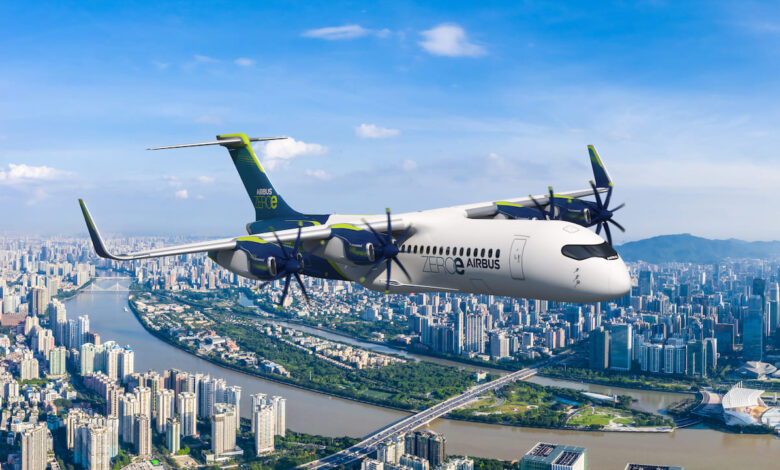
- Europe as a whole is also a leader, with the European Union investing heavily in sustainable aviation research and development. Airbus’s ZEROe program aims to develop the world’s first hydrogen-powered commercial aircraft by the 2030s.
- UK is also making significant strides, with the UK Civil Aviation Authority expanding its Hydrogen Challenge program to test hydrogen propulsion, develop airport infrastructure, and innovate aircraft systems.
These countries and regions are driving innovation and investment in hydrogen aviation, but it’s essential to note that the development of commercial hydrogen planes is still in its early stages, and significant technical and infrastructure challenges need to be addressed before they become widely available.
Some companies making significant strides in this area;
Airbus ZEROe Concept: Airbus is developing a hydrogen-powered commercial aircraft, with three concept designs:
- Turboprop: A regional aircraft for short-haul flights, seating around 100 passengers, with a range of approximately 1,000 nautical miles.
- Turbofan: A narrow-body aircraft for transcontinental flights, seating 120-200 passengers, with a range of about 2,000 nautical miles.
- Blended-Wing Body: A futuristic design with a blended wing and fuselage, seating up to 200 passengers, with a range of around 2,000 nautical miles.
ZeroAvia’s Dornier 228: ZeroAvia has successfully test-flown a modified Dornier 228 aircraft powered by a hydrogen-electric engine. The 19-seat aircraft completed a test flight in January 2023, marking a significant step towards zero-emission flight.
HY4 Demonstrator Aircraft: H2FLY’s HY4 aircraft completed the world’s first piloted flight of an electric aircraft powered by liquid hydrogen in September 2023. The four-seater aircraft features a twin-fuselage design and has a maximum speed of 125 mph.
Keep in mind that these aircraft are still in development, and significant technical and infrastructure challenges need to be addressed before they become commercially viable.